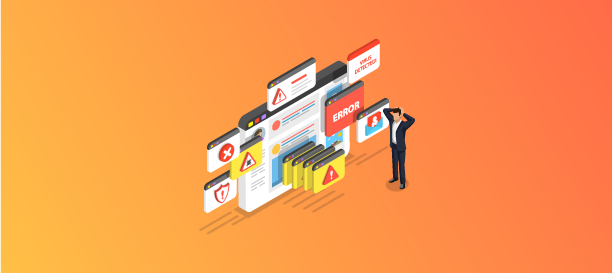
Ransomware vs. Malware: How to Protect Your Business in 2026
Cyber threats are evolving faster than ever in 2026. From phishing attacks to advanced ransomware campaigns, businesses of all sizes face constant risk. While malware is a broad category that includes many types of malicious software, ransomware has emerged as one of the most disruptive and financially damaging threats. Understanding the difference—and knowing how to defend against both—is essential for protecting your business.
What Is Malware?
Malware refers to any software intentionally designed to infiltrate, damage, disrupt, or steal from computer systems and networks. Cybercriminals use different types of malware depending on their objectives.
Common forms of malware include:
- Viruses – Attach themselves to files and spread when those files are executed, often corrupting data or disrupting operations.
- Worms – Self-propagating malware that spreads across networks without user interaction, consuming resources and causing outages.
- Trojans – Malicious programs disguised as legitimate software, commonly used to steal data or create backdoors.
- Spyware – Secretly monitors user activity and captures sensitive information such as credentials and personal data.
Malware attacks can lead to data theft, system instability, unauthorized access, and long-term security compromises.
What Is Ransomware?
Ransomware is a specific and highly destructive type of malware. Instead of quietly stealing information, ransomware encrypts files or entire systems and demands payment—usually in cryptocurrency—to restore access.
Unlike other malware, ransomware attacks are designed to stop business operations entirely. In many cases, attackers also target connected backups, leaving organizations with limited recovery options unless they have secure, isolated backup systems.
Without properly configured backup and disaster recovery strategies, a single ransomware attack can result in permanent data loss, extended downtime, and severe financial damage.
How Phishing and Clone Sites Enable Ransomware Attacks
Most ransomware infections begin with phishing emails. These messages often impersonate trusted vendors, coworkers, or financial institutions and contain malicious links or attachments.
Many phishing campaigns direct users to clone websites—fake versions of legitimate sites designed to steal login credentials or trigger malware downloads. Once attackers obtain credentials, they can deploy ransomware deeper into the network.
Why Small and Medium-Sized Businesses Are Prime Targets
Small and medium-sized businesses (SMBs) are frequently targeted because they often lack:
- Dedicated cybersecurity staff
- Advanced threat detection tools
- Consistent patching and monitoring processes
Even minor security gaps—such as outdated antivirus software or untrained employees—can be exploited to deliver ransomware or other malware.
How to Protect Your Business in 2026
Defending against ransomware and malware requires a layered cybersecurity strategy:
- Deploy advanced antivirus and anti-malware solutions across all endpoints.
- Provide ongoing employee cybersecurity training focused on phishing awareness.
- Use email filtering and threat detection tools to block malicious messages.
- Maintain frequent, offsite, and immutable backups that ransomware cannot encrypt.
- Apply regular software updates and security patches.
- Partner with a trusted Managed Services Provider (MSP) for continuous monitoring and incident response.
The Role of an MSP in Ransomware and Malware Defense
A qualified MSP helps businesses build and maintain a comprehensive cybersecurity posture. This includes risk assessments, proactive monitoring, endpoint protection, backup management, and rapid response if an incident occurs.
In 2026, MSPs are essential partners for businesses that want enterprise-level protection without the cost of maintaining a full internal security team.
Conclusion
When comparing ransomware vs. malware, both present serious risks—but ransomware has the power to shut down your entire business overnight. Proactive security measures, employee education, secure backups, and expert support are no longer optional.
Protect your business today by investing in a layered cybersecurity strategy designed for the threats of 2026.
© 2026 Tobin Solutions. All rights reserved.